
Currently Empty: ₹0.00
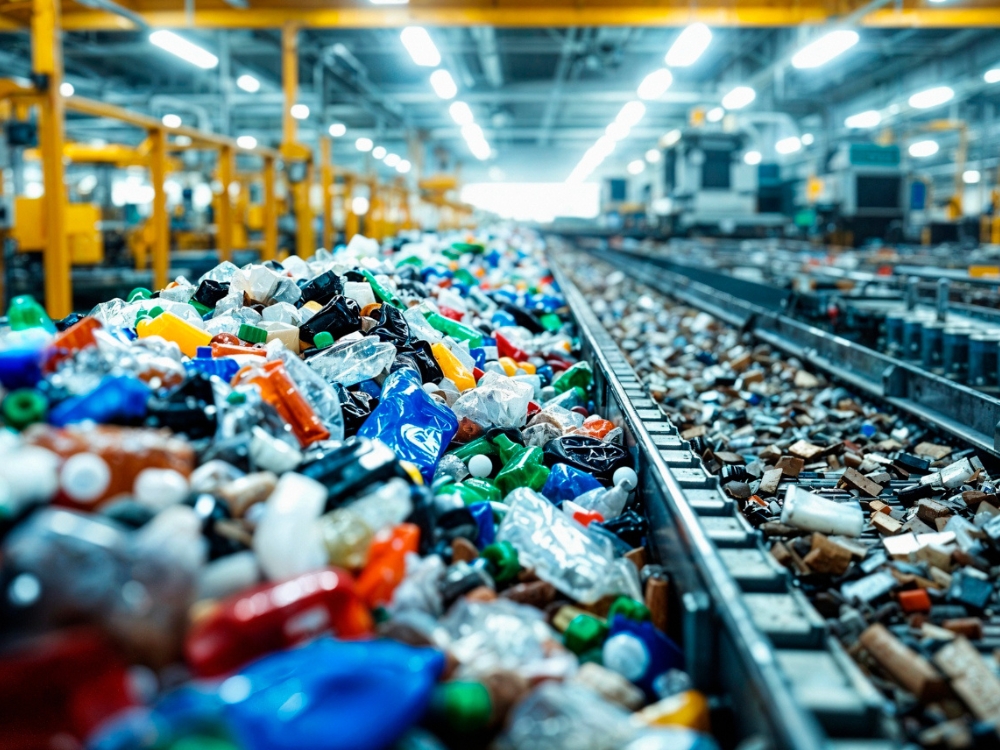
The growing concern over plastic waste and environmental sustainability has made recycling an essential part of modern industrial practices. Plastic scrap, once considered waste, is now recognized as a valuable resource that can be transformed into reusable raw materials for various manufacturing applications. By recycling plastic scrap, industries can reduce costs, conserve resources, and contribute to a cleaner environment.
As global demand for sustainable solutions continues to rise, plastic recycling has become one of the most effective ways to manage waste while supporting economic growth.
What is Plastic Scrap?
Plastic scrap refers to discarded plastic materials collected from industrial production processes, commercial activities, and post-consumer products. Common types of plastic scrap include:
- HDPE (High-Density Polyethylene) Scrap
- LDPE (Low-Density Polyethylene) Scrap
- PP (Polypropylene) Scrap
- Mixed Plastic Scrap
These materials can be processed, cleaned, and recycled into plastic granules that are used as raw materials for manufacturing new products.
Reduces Environmental Pollution
One of the biggest advantages of recycling plastic scrap is its positive impact on the environment. Large quantities of plastic waste often end up in landfills, rivers, and oceans, causing long-term environmental damage.
Recycling helps:
- Reduce plastic pollution
- Minimize landfill waste
- Prevent environmental contamination
- Lower greenhouse gas emissions
- Promote sustainable waste management
By converting waste into reusable materials, recycling industries help protect natural ecosystems and reduce the burden on waste disposal systems.
Cost-Effective Raw Material
Plastic scrap serves as an affordable alternative to virgin plastic materials. Manufacturers can significantly reduce production costs by using recycled plastic granules produced from scrap materials.
Benefits include:
- Lower raw material expenses
- Reduced manufacturing costs
- Improved profit margins
- Better resource utilization
For many industries, recycled plastic provides a practical solution without compromising product quality.
Conserves Natural Resources
Virgin plastic production relies heavily on petroleum and natural gas resources. Recycling plastic scrap reduces the demand for these non-renewable resources and helps conserve valuable raw materials.
Resource conservation benefits include:
- Reduced dependence on fossil fuels
- Lower energy consumption
- Preservation of natural resources
- Improved sustainability practices
This makes plastic recycling an important component of responsible industrial development.
Supports the Circular Economy
The circular economy focuses on keeping materials in use for as long as possible through recycling and reuse. Plastic scrap recycling plays a crucial role in this model by transforming waste materials into valuable resources.
Key advantages include:
- Reduced waste generation
- Extended material lifecycle
- Improved resource efficiency
- Sustainable manufacturing practices
Businesses that participate in recycling contribute to a more sustainable and efficient economic system.
Wide Range of Applications
Recycled plastic materials produced from scrap can be used in various industries and applications, including:
- Plastic containers and packaging
- Pipes and fittings
- Household products
- Automotive components
- Industrial storage solutions
- Construction materials
- Agricultural products
Advancements in recycling technology have improved the quality and consistency of recycled materials, making them suitable for many manufacturing processes.
Creates Economic Opportunities
The recycling industry generates employment opportunities in collection, sorting, processing, transportation, and manufacturing sectors. As demand for recycled materials increases, the industry continues to create jobs and support local economies.
Benefits include:
- Employment generation
- Growth of recycling businesses
- Increased industrial activity
- Support for sustainable economic development
Helps Meet Sustainability Goals
Many organizations are adopting sustainability initiatives to reduce their environmental impact and comply with regulatory requirements. Using recycled plastic materials helps businesses achieve these goals while demonstrating environmental responsibility to customers and stakeholders.
Companies that prioritize recycling often benefit from:
- Improved brand reputation
- Enhanced customer trust
- Regulatory compliance
- Competitive market advantages
Conclusion
Plastic scrap is no longer just waste—it is a valuable resource that supports sustainable manufacturing, environmental protection, and economic growth. By recycling HDPE, LDPE, PP, and mixed plastic scrap, industries can reduce costs, conserve natural resources, and contribute to a cleaner and greener future.
As recycling technologies continue to advance and environmental awareness grows, the importance of plastic scrap in modern industries will only increase. Investing in plastic recycling today is a smart step toward building a more sustainable tomorrow.