
Currently Empty: ₹0.00
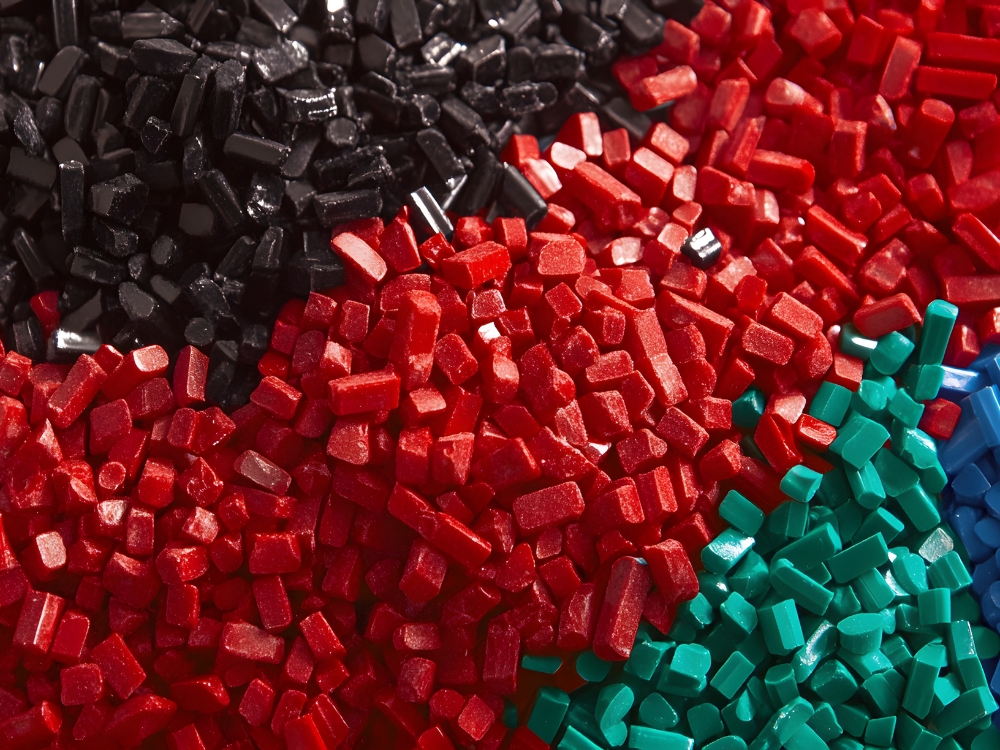
Plastic granules are among the most widely used raw materials in the manufacturing industry. From packaging products and household items to automotive components and industrial equipment, plastic granules play a crucial role in modern production processes. However, choosing the right type of plastic material is essential for achieving the desired product performance, durability, and cost efficiency.
Among the most commonly used plastic materials are HDPE (High-Density Polyethylene), LDPE (Low-Density Polyethylene), and PP (Polypropylene). Each material has unique properties and applications, making it important for manufacturers to understand their differences before selecting the appropriate material.
What Are Plastic Granules?
Plastic granules are small pellets of processed plastic resin used as raw materials in various manufacturing techniques such as injection molding, blow molding, and extrusion. These granules are melted and shaped into finished products across numerous industries.
The choice of plastic granules depends on factors such as strength, flexibility, heat resistance, chemical resistance, and end-use requirements.
What is HDPE (High-Density Polyethylene)?
HDPE is a strong and durable thermoplastic known for its high density, excellent strength, and resistance to chemicals and moisture.
Key Features of HDPE
- High tensile strength
- Excellent chemical resistance
- Moisture-resistant
- Durable and long-lasting
- Lightweight yet strong
- Recyclable and environmentally friendly
Common Applications of HDPE
- Water and gas pipes
- Plastic containers and bottles
- Industrial drums
- Storage tanks
- Crates and pallets
- Household products
HDPE is ideal for products that require durability, strength, and resistance to harsh environmental conditions.
What is LDPE (Low-Density Polyethylene)?
LDPE is a flexible and lightweight plastic material known for its softness and excellent impact resistance. Compared to HDPE, LDPE is less rigid but offers superior flexibility.
Key Features of LDPE
- Highly flexible
- Lightweight
- Good impact resistance
- Moisture resistant
- Easy to process and mold
- Excellent transparency options
Common Applications of LDPE
- Plastic carry bags
- Packaging films
- Shrink wraps
- Agricultural films
- Squeeze bottles
- Cable insulation
LDPE is commonly used for flexible products that require softness and elasticity.
What is PP (Polypropylene)?
Polypropylene (PP) is a versatile thermoplastic known for its rigidity, heat resistance, and excellent mechanical properties. It is widely used in industrial and consumer product manufacturing.
Key Features of PP
- High rigidity and strength
- Excellent heat resistance
- Good chemical resistance
- Lightweight material
- Durable and impact resistant
- Cost-effective solution
Common Applications of PP
- Automotive parts
- Food containers
- Furniture components
- Industrial packaging
- Household products
- Medical and laboratory equipment
PP is an excellent choice for products that require durability, heat resistance, and structural stability.
HDPE vs LDPE vs PP: Quick Comparison
| Property | HDPE | LDPE | PP |
|---|---|---|---|
| Strength | High | Medium | High |
| Flexibility | Low | High | Medium |
| Heat Resistance | Medium | Low | High |
| Chemical Resistance | Excellent | Good | Excellent |
| Durability | High | Medium | High |
| Weight | Lightweight | Lightweight | Lightweight |
| Cost Efficiency | High | High | High |
How to Choose the Right Plastic Granule?
Choosing the right material depends on your manufacturing requirements:
- Choose HDPE for strong and durable products such as pipes, containers, and industrial components.
- Choose LDPE for flexible products such as packaging films, plastic bags, and liners.
- Choose PP for products requiring heat resistance, rigidity, and long-term durability.
Understanding these differences helps manufacturers optimize production quality, reduce costs, and improve product performance.
Conclusion
HDPE, LDPE, and PP granules each offer unique advantages for different applications. While HDPE provides superior strength and durability, LDPE excels in flexibility and lightweight applications. PP stands out for its rigidity, heat resistance, and versatility.
By selecting the appropriate plastic granule for specific manufacturing needs, businesses can improve product quality, increase efficiency, and achieve long-term operational success. As industries continue to grow, these materials will remain essential components of modern plastic manufacturing and recycling processes.